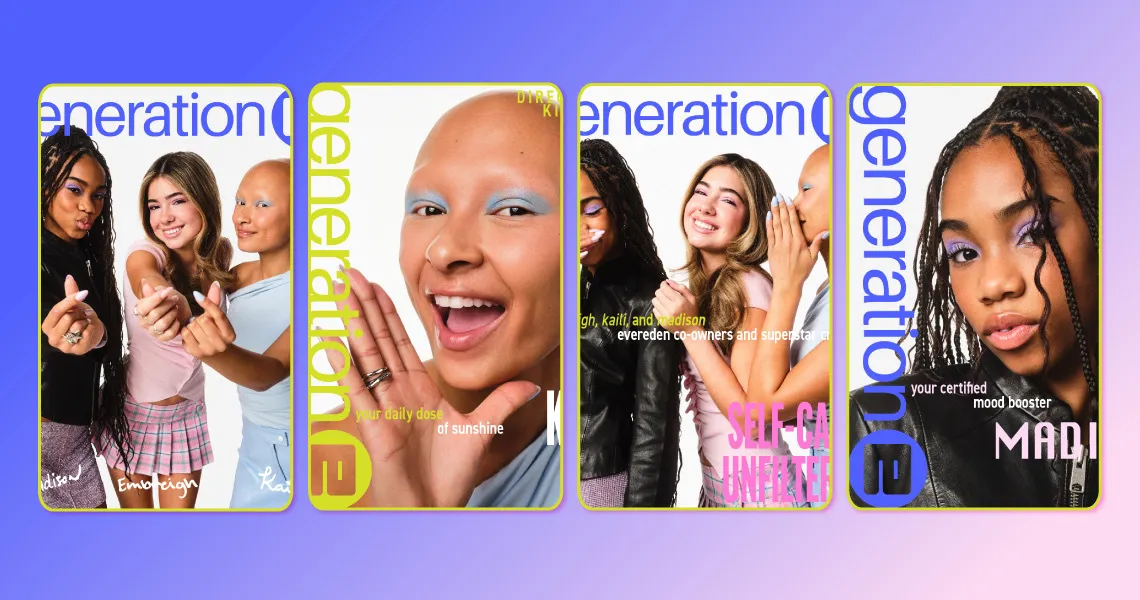
Picture this. A 14-year-old girl is already a shareholder in a cosmetics company doing over $100 million in revenue.
This isn't a hypothetical. It's a March 2026 headline. Skincare brand Evereden launched a program called Generation E and handed equity to three creators — ages 14, 15, and 17. And they might just be the youngest people to ever get a stake in a well-known brand.
When I first read this, honestly, I figured it was just a PR stunt. You know — give the kids some token shares to make the story pop. Then I started digging, and it turned out this is part of a whole trend. Creator equity. Where companies give influencers a piece of the company instead of a fee for advertising.
Not a Brand Face, but Real Work Inside the Company
At first I assumed Evereden was some startup that couldn't afford to pay for ads, so it was handing out shares instead. Turns out it's the complete opposite. This is a category leader. On Amazon they hold over 60% market share for kids' face cream, and right now they're rolling into more than 600 Sephora stores across the US. So the one giving away equity here isn't broke.
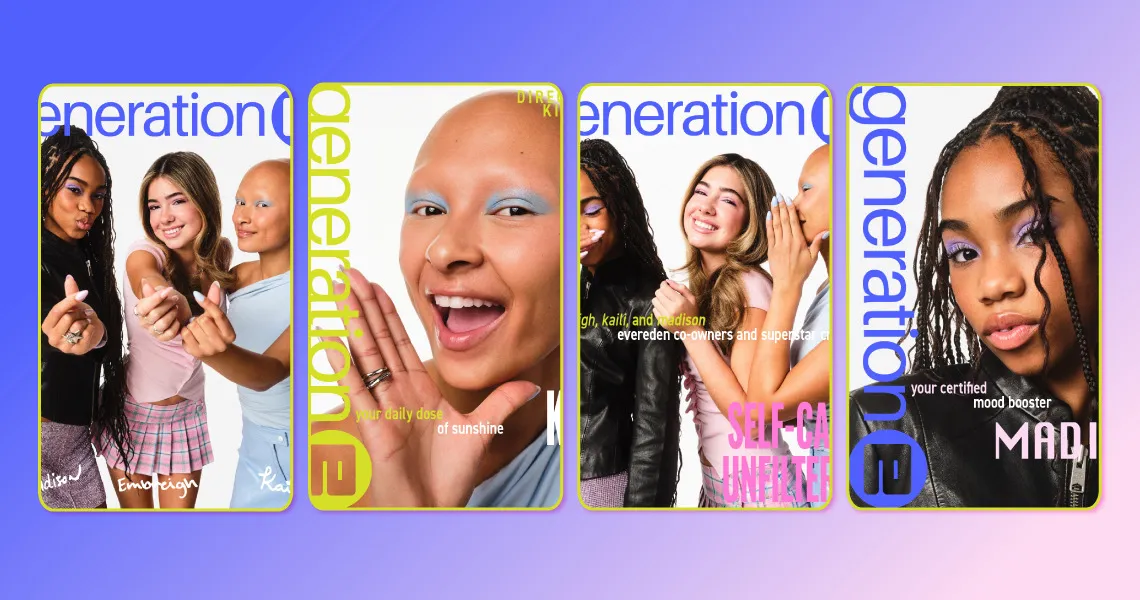
There are three girls, and they're genuinely different in reach. One has a few million followers, the others a lot less — starting around a hundred thousand. So clearly it's not about raw numbers. The founder, Kimberley Ho, said something that stuck with me: you can just pay for posts, you don't have to give away a piece of the company for that. Equity is for something else. The girls actually work — they advise on products, on how the brand sounds, they came to the office, learned to make lip oil from scratch.
And one more detail. One of the girls, Kaili, has alopecia. And she says that growing up, she never saw anyone who looked like her in beauty ads. Another one, when they told her about equity, didn't even know what it was — they had to explain it. And now her Instagram bio says "creator" and "brand owner."
So why bet on 14-year-olds? Because before this, Evereden surveyed 7,000 of their own customers and their parents. And they found that for these kids, a brand is a way to express who they are. Buying isn't enough for them. They want a say.
Poppi, Ridge, and Even Tiger Woods
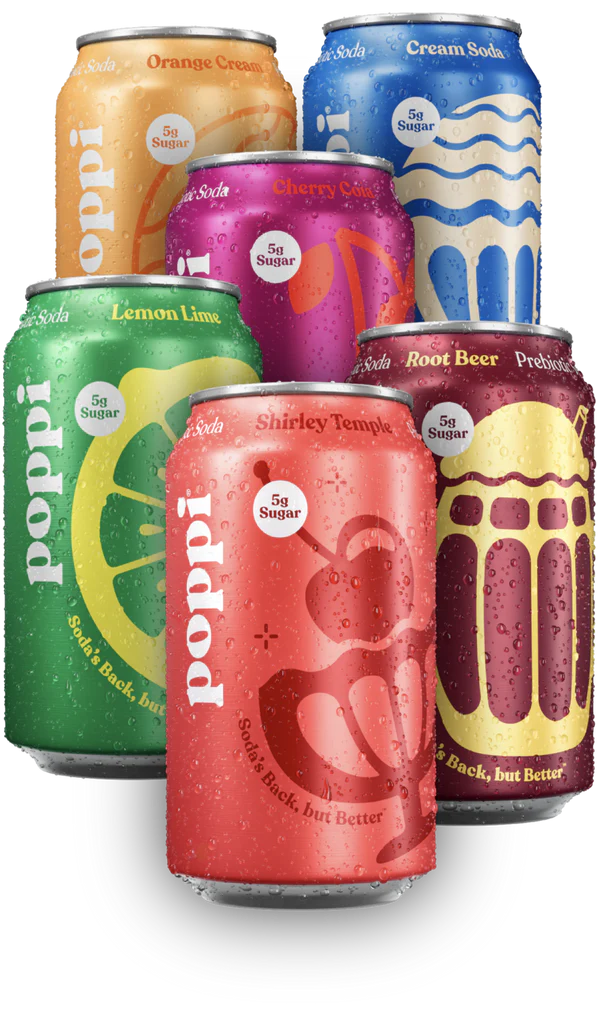
The most famous example — Alix Earle and the soda brand Poppi. And here I got it wrong myself at first, I'll admit. I thought she was just handed a stake for doing ads. Nope. She invested in Poppi. Came in as an investor. She took almost no cash for the promotion, by her own account — just a revenue share on the one flavor she was pushing. Then PepsiCo buys Poppi for nearly $2 billion. Nobody says exactly how much she walked away with, but estimates put it somewhere around $20–40 million. For a drink she was already drinking and already talking about in her stories. Now she's doing the same thing with another brand, and she's launched her own on top of that.
📱 Watch: Alix Earle on becoming a Poppi investor — "Coachella got me hooked on Poppi #proudinvestor"
Next, Marques Brownlee. That's MKBHD, the tech reviewer, 18 million subscribers. Wallet brand Ridge didn't just pay him for reviews — they put him on the board and gave him a stake. Reports say it's a four-year deal, somewhere around $250K a year plus equity on top. And Ridge had been running in his videos since 2020. So it's not "strangers off the street" — they just formalized something that had already been working for years.
And even sports. Tiger Woods, after 27 years with Nike, built his own apparel brand Sun Day Red together with TaylorMade. The TaylorMade CEO said it flat out — this isn't a sponsorship, it's a partnership, we make the decisions together. Woods went where he had the most control and a stake, not just a check.
The Old "Money for Ads" Model Is Breaking
It used to be dead simple. They paid, the influencer posted, everyone went their separate ways. The audience is basically a bystander — they just got shown an ad, and that's it.
Now it's different. The brand, the influencer, and their followers are all in the same boat. I read a good take on that same Earle: when she posted about Poppi for money, it was a contract. When she had a stake — she was protecting her own money. And people felt that. That's exactly why it worked. At the top tier, the old model is just deflating. Paying six figures for a post made sense while the influencer needed that money. The best ones don't really need it anymore. So they get to choose.
The Trend Goes Both Ways
Here's the thing. It's not that brands alone cooked this up to save money. Creators are pushing into it themselves. According to one recent report, 15.7% of creators have already launched their own brands, and another 22% are planning to. Posting isn't enough for them. They want to shape the product.
But there's a piece people often miss. In a deal like this, the bigger risk isn't on the influencer. It's on the company. The influencer, if their content is cheap to make, risks maybe their audience's trust. The founder gives up a real chunk of the business, for good. So equity mostly appeals to the ones who already have something to live on and money to play the long game with.
What These Deals Actually Look Like
"Equity instead of cash" in its pure form is rare. It's usually a mix. Some cash, some shares tied to performance, plus a cut of sales. Kind of like startup employee options, if that makes it clearer.
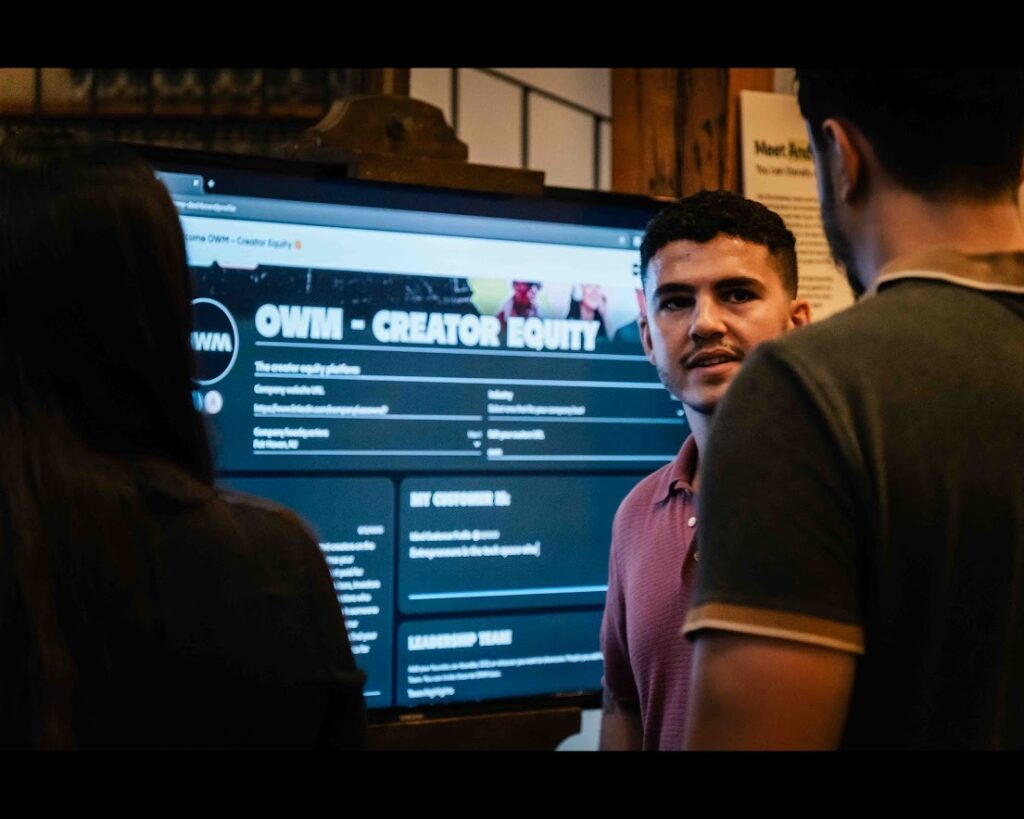
There's even a platform for this now, OWM, launched in fall 2025. The founder calls it "Carta for creators." And he explains why equity hasn't taken off at scale — and it actually makes sense. The problem wasn't a lack of interest. The problem was the legal headache. Every deal started from zero, lawyers on both sides spending months figuring out what this stake even was. So they built one standard contract to wipe out most of those costs. And here's another thing: say you want to give equity to ten influencers, each with a manager — that's 20 people on your cap table. They turn that into a single line item.
What About the "Ad" Disclosure
I figured equity was a way to skip the "ad" label. Turns out — the opposite. The US regulator requires disclosing any financial connection. A stake counts too. So a creator-owner has to put up the disclosure just like everyone else. And now on every post about the brand, not just the paid ones.
But It's Not Magic
A stake can lose value too. Emma Chamberlain's coffee brand was once valued at $54 million. Now it's around 20. And this, by the way, is her own brand, with her huge audience. So even that's no guarantee. And Triller, creators say, promised them half their pay in shares — and in the end they got neither the cash nor the shares.
Lawyers warn about this honestly. Equity sounds great, but it's a long game. You work now — the money comes later. If it comes at all. For a big brand with investors, giving up a stake is legally hard. For startups it's the reverse — they only offer shares, and creators don't want them, because most of those stakes end up worth nothing. A fee is at least real today. A stake is a bet that might not pay off.
Where This Is Headed
Here's what I think. In a few years, equity will be the norm for top creators, and regular fees will be left to the smaller influencers. Because when you've got millions of followers, a one-time check stops being interesting. The asset is what's interesting.
We'll see if I'm right.
Sources
Generation E and the Evereden survey — Glossy, Lindsey Gamble
Alix Earle and Poppi — Passionfruit, Fortune
MKBHD and Ridge — BusinessWire, Tubefilter
Tiger Woods and Sun Day Red — Fortune, CBS Sports
OWM and deal structure — Axios, Net Influencer
Kofluence report — Buzzincontent
FTC disclosure rules — Influencers Time
Risks, Chamberlain Coffee and Triller — Millennial Magazine, Net Influencer